Rick Astley
@rickastley
[email protected]
Profile
Bookmarks
Register
Login
Logout
Blog
Blog
Boxers
Boxers
Divisions
Weight Classes
Heavyweight
Cruiserweight
Light Heavyweight
Super Middleweight
Middleweight
Super Welterweight
Welterweight
Super Lightweight
Lightweight
Super Featherweight
Featherweight
Super Bantamweight
Bantamweight
Super Flyweight
Flyweight
Light Flyweight
Minimumweight
Home
Weight Classes
Boxers
Professional Boxers
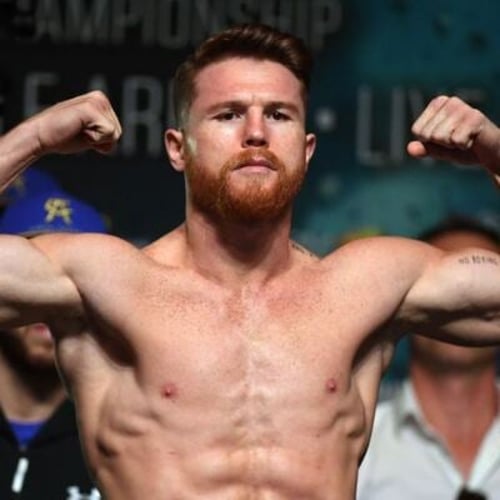
SAUL ALVAREZ
SUPER MIDDLEWEIGHT
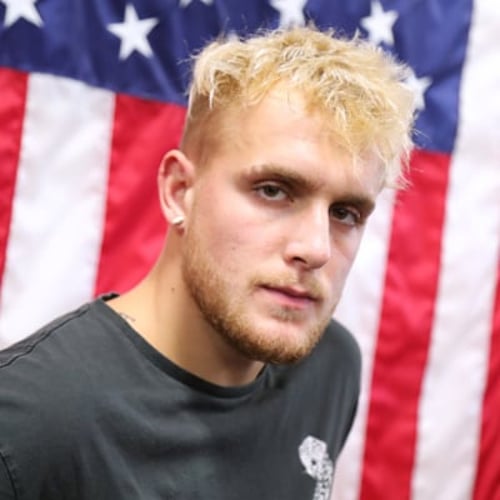
JAKE PAUL
CRUISERWEIGHT
OLEKSANDR USYK
HEAVYWEIGHT
JOE JOYCE
HEAVYWEIGHT
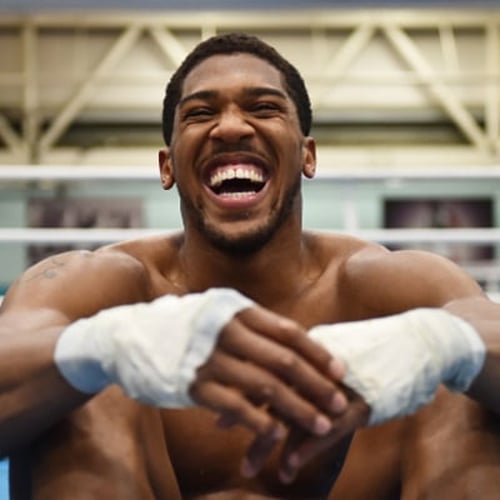
ANTHONY JOSHUA
HEAVYWEIGHT
FLOYD MAYWEATHER JR.
WELTERWEIGHT
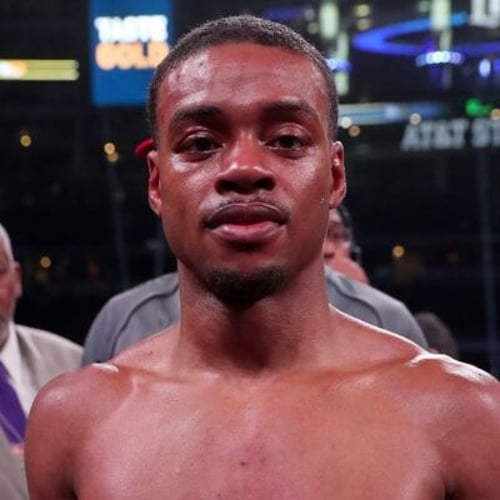
ERROL SPENCE JR.
WELTERWEIGHT
DEVIN HANEY
LIGHTWEIGHT
VASYL LOMACHENKO
LIGHTWEIGHT
JARON ENNIS
WELTERWEIGHT
KELL BROOK
WELTERWEIGHT
DEONTAY WILDER
HEAVYWEIGHT
ADRIEN BRONER
WELTERWEIGHT
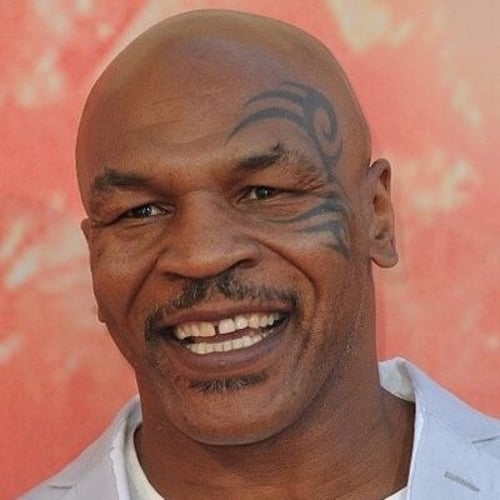
MIKE TYSON
HEAVYWEIGHT
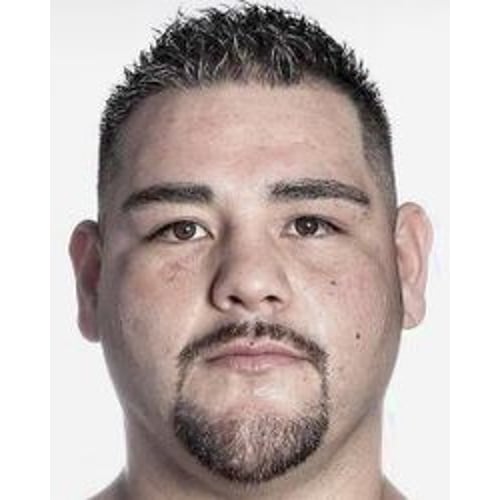
ANDY RUIZ
HEAVYWEIGHT
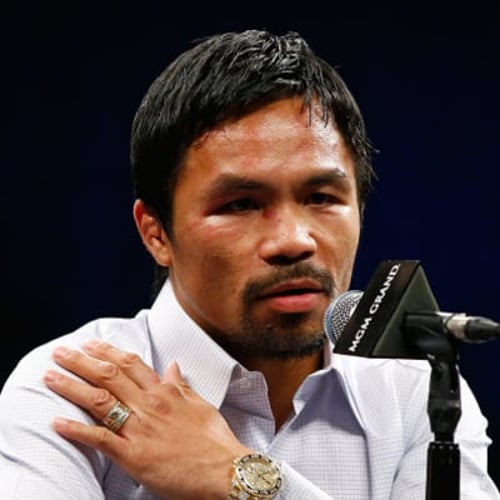
MANNY PACQUIAO
WELTERWEIGHT
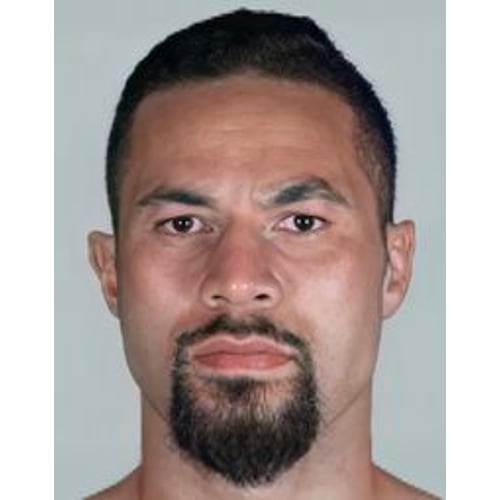
JOSEPH PARKER
HEAVYWEIGHT
AMANDA SERRANO
FEATHERWEIGHT
DMITRII BIVOL
LIGHT HEAVYWEIGHT
ROBERTO DURAN
LIGHTWEIGHT
DON MOORE
FEATHERWEIGHT
DANNY GARCIA
SUPER WELTERWEIGHT
ROBERT HELENIUS
HEAVYWEIGHT
DANIEL DUBOIS
HEAVYWEIGHT
MIKEY GARCIA
WELTERWEIGHT
JULIO CESAR CHAVEZ
SUPER LIGHTWEIGHT
ROY JONES JR.
HEAVYWEIGHT
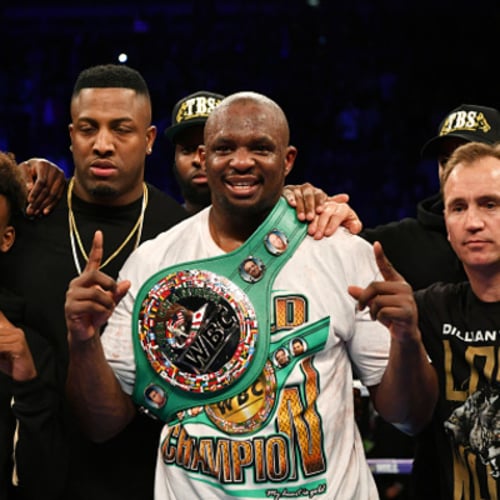
DILLIAN WHYTE
HEAVYWEIGHT
NIGEL BENN
SUPER MIDDLEWEIGHT
WLADIMIR KLITSCHKO
HEAVYWEIGHT
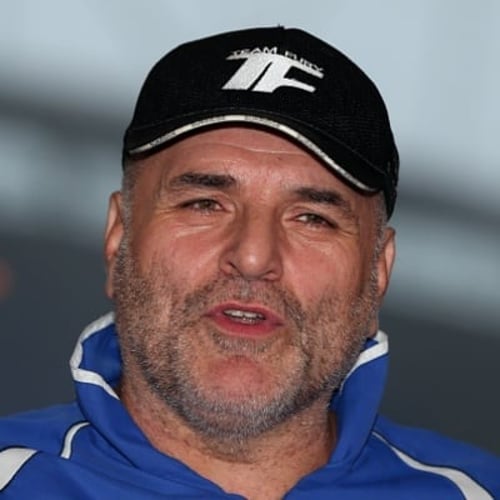
JOHN FURY
HEAVYWEIGHT
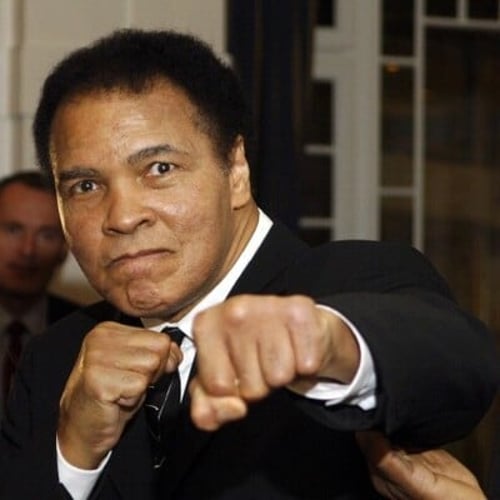
MUHAMMAD ALI
HEAVYWEIGHT
DAVID LEMIEUX
SUPER MIDDLEWEIGHT
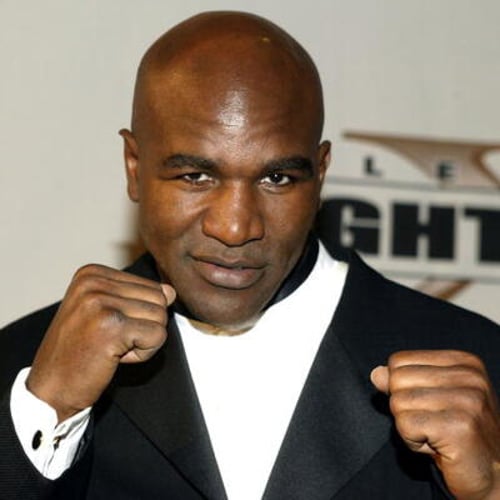
EVANDER HOLYFIELD
HEAVYWEIGHT
KATIE TAYLOR
LIGHTWEIGHT
BERNARD HOPKINS
LIGHT HEAVYWEIGHT
RAY LEONARD
WELTERWEIGHT
DANIEL JACOBS
SUPER MIDDLEWEIGHT
KUBRAT PULEV
HEAVYWEIGHT
SERGEY KOVALEV
CRUISERWEIGHT
FILIP HRGOVIC
HEAVYWEIGHT
NIKOLAI VALUEV
HEAVYWEIGHT
MAX BAER
HEAVYWEIGHT
LENNOX LEWIS
HEAVYWEIGHT
RAY ROBINSON
MIDDLEWEIGHT
MICHAEL HUNTER
HEAVYWEIGHT
GEORGE FOREMAN
HEAVYWEIGHT
ANTHONY MUNDINE
MIDDLEWEIGHT
IVAN NIKOLOV
LIGHT HEAVYWEIGHT
BLAIR COBBS
WELTERWEIGHT
HASIM RAHMAN JR.
HEAVYWEIGHT
ROCKY MARCIANO
HEAVYWEIGHT
OTTO WALLIN
HEAVYWEIGHT
LOGAN PAUL
CRUISERWEIGHT
MAHMOUD CHARR
HEAVYWEIGHT
SONNY LISTON
HEAVYWEIGHT
RYOTA MURATA
MIDDLEWEIGHT
ROGER MAYWEATHER
SUPER FEATHERWEIGHT
ADAM KOWNACKI
HEAVYWEIGHT
EFE AJAGBA
HEAVYWEIGHT
MICHAEL SPINKS
LIGHT HEAVYWEIGHT
FLOYD PATTERSON
HEAVYWEIGHT
AARON PRYOR
SUPER LIGHTWEIGHT
WILLIE PEP
FEATHERWEIGHT
TERREL WILLIAMS
WELTERWEIGHT
TEVIN FARMER
SUPER FEATHERWEIGHT
TREY LIPPE
HEAVYWEIGHT
VINNY PAZIENZA
SUPER MIDDLEWEIGHT
PERNELL WHITAKER
WELTERWEIGHT
JERRY JUDGE
HEAVYWEIGHT
VINCENT FEIGENBUTZ
MIDDLEWEIGHT
ILUNGA JUNIOR MAKABU
CRUISERWEIGHT
TOM SCHWARZ
HEAVYWEIGHT
ARTHUR ABRAHAM
SUPER MIDDLEWEIGHT
MARTIN BAKOLE
HEAVYWEIGHT
HARRY GREB
MIDDLEWEIGHT
TOMMY MORRISON
HEAVYWEIGHT
JULIAN JACKSON
SUPER WELTERWEIGHT
ENZO MACCARINELLI
CRUISERWEIGHT
CECILIA BRAEKHUS
WELTERWEIGHT
TOMMY BURNS
RIDDICK BOWE
HEAVYWEIGHT
RICARDO LOPEZ
MINIMUMWEIGHT
THOMAS HEARNS
SUPER WELTERWEIGHT
RAY MANCINI
LIGHTWEIGHT
OLIVER MCCALL
HEAVYWEIGHT
TOMMY MCCARTHY
CRUISERWEIGHT
JOSE CARLOS RAMIREZ
SUPER LIGHTWEIGHT
MARVIN HAGLER
MIDDLEWEIGHT
MARCO HUCK
CRUISERWEIGHT
ANN WOLFE
LIGHT HEAVYWEIGHT
RICARDO MAYORGA
SUPER MIDDLEWEIGHT
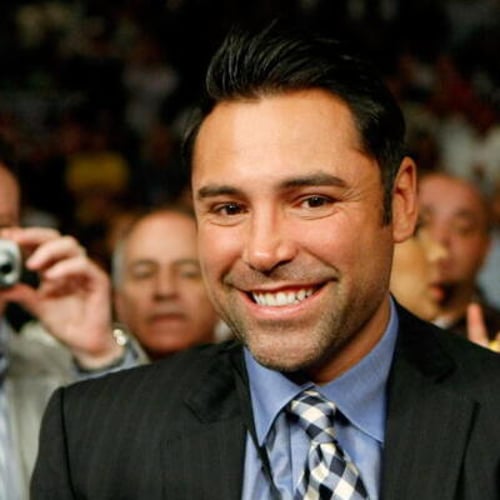
OSCAR DE LA HOYA
WELTERWEIGHT
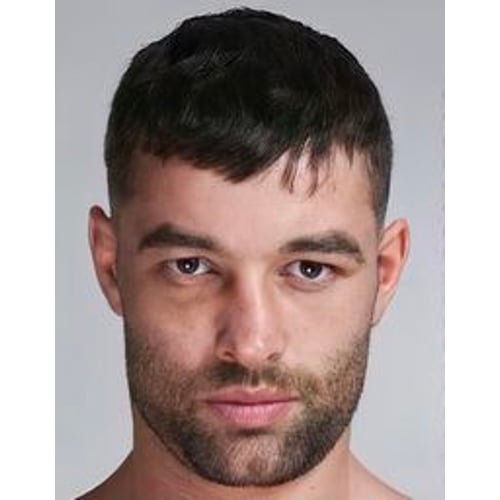
SCOTT FITZGERALD
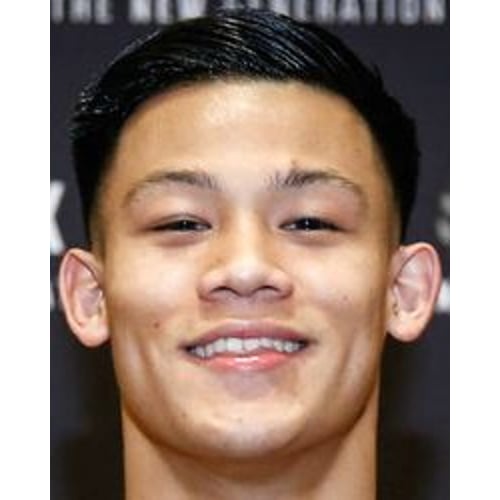
BRANDUN LEE
SUPER LIGHTWEIGHT
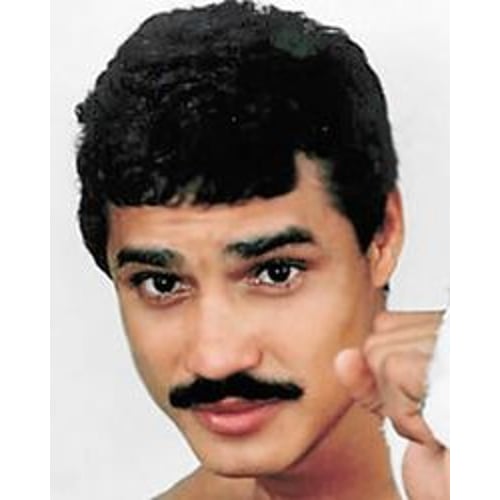
ALEXIS ARGUELLO
SUPER FEATHERWEIGHT
LOUIS TOUTIN
SUPER MIDDLEWEIGHT
HUGHIE FURY
HEAVYWEIGHT
TYRONE SPONG
CONOR MCGREGOR
BANTAMWEIGHT
1
2
3
...
68
69